
Patrimoine et architectureSélection de la rédaction · à visiter librement
Climb the earthen ksar of Aït-Ben-Haddou


A fortified village of earth and wood rising above a river valley: UNESCO’s showcase of pre-Saharan earthen architecture.
- PrévoirEnviron 2 h 30
- Meilleur momentEarly morning or late afternoon, from autumn to spring.
- Comment ça marcheSur place, librement : rien à réserver via MoroccanPlans.
Pourquoi y aller
Aït-Ben-Haddou is a ksar — a fortified village — of earthen houses and towers stacked on a hillside above the river, on the old route between the Sahara and Marrakech. UNESCO, which listed it in 1987, describes it as a complete panorama of pre-Saharan earthen building techniques; its oldest buildings date from no earlier than the 17th century.
Today only a few families still live inside the old ksar, and the earthen buildings need constant upkeep. Walking up through its lanes to the old granary at the top gives wide views over the valley and the surrounding plain.
À quoi s’attendre
A steep climb on uneven paths and steps to the top. Some houses are open to visitors, sometimes for a small fee or a purchase. The site is about 30 km from Ouarzazate.
Nos conseils
- Go early or late in the day: the slopes are fully exposed to the sun.
- Buy crafts directly from the families if you want to support the upkeep of the ksar.
- Combine it with Ouarzazate and the Ksar of Taourirt.
Conseils de notre rédaction, pas des règles officielles : vérifiez horaires et conditions sur place.
Où c’est
Chargement…
Sources
Les faits de cette page ont été vérifiés auprès de sources officielles le 25 octobre 2026.
- Ksar of Ait-Ben-Haddou — UNESCO World Heritage Centre · consulté le 25 oct. 2026
Les descriptions sont rédigées par nos soins. Horaires, tarifs et accès peuvent changer : le site officiel fait foi.
D’autres expériences : patrimoine et architecture
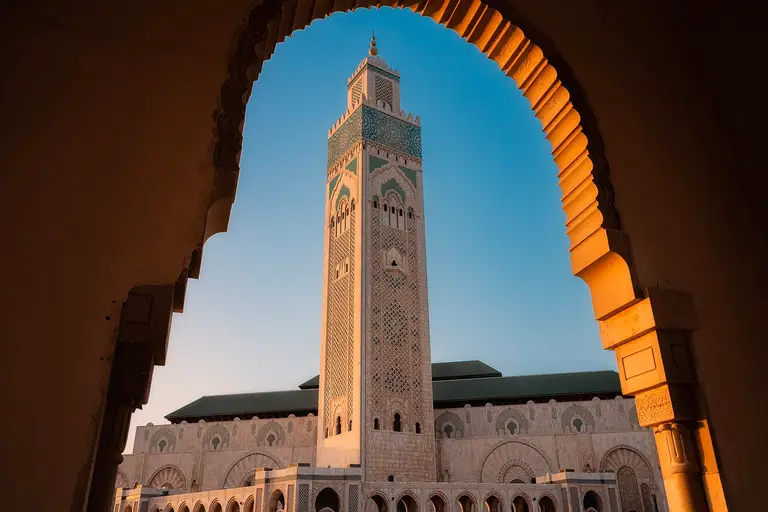
Casablanca
Inside the Hassan II Mosque on the Atlantic
One of the few mosques in Morocco open to non-Muslim visitors, on guided tours, set on the ocean’s edge with a minaret about 210 m high.
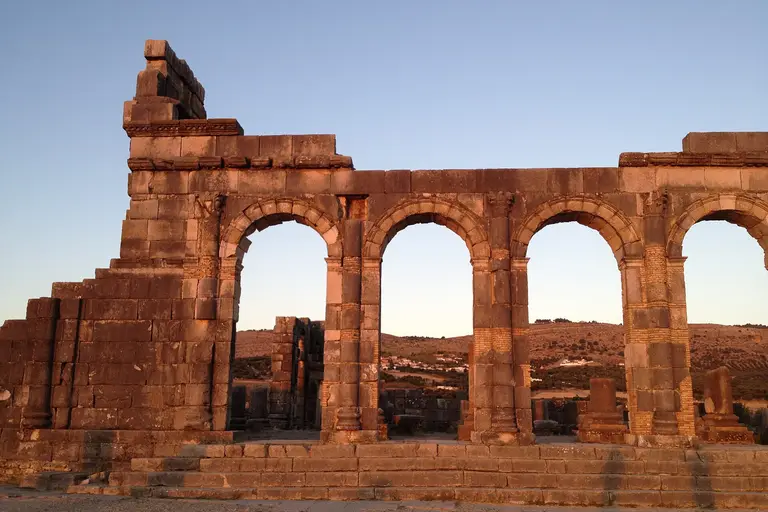
Meknès
Roman mosaics in their place at Volubilis
Walk the streets of a Mauretanian capital turned Roman outpost, where many mosaic floors are still where they were laid.
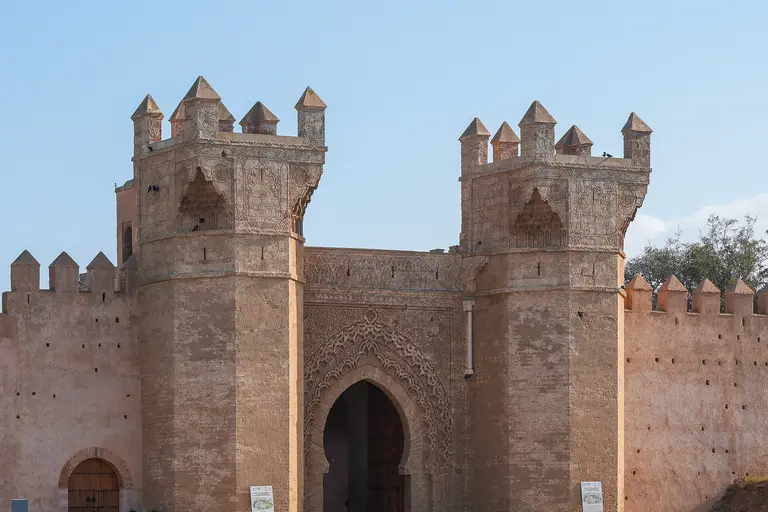
Rabat
Chellah: layers of Rabat’s history in a ruined necropolis
Roman remains, a Merinid funerary complex and gardens, enclosed by walls just outside Rabat’s Almohad ramparts.


